
The Mill School’s Extended School Year (ESY) Summer Program is a month-long learning experience designed to keep students engaged through hands-on, experiential education. While maintaining a strong educational focus, our summer program also allows us to preserve and continue building relationships with our students and encourage social-emotional regulation and progress. Each summer features a unique theme, such as culinary sciences, ecological preservation, species identification, outdoorsman education and safety, genetics, and other real-world topics. Students explore these themes through interactive projects, outdoor activities, and collaborative learning that build practical skills while reinforcing academic concepts. The program emphasizes curiosity, problem-solving, and connection to the world around them, making summer learning meaningful, memorable, and fun.
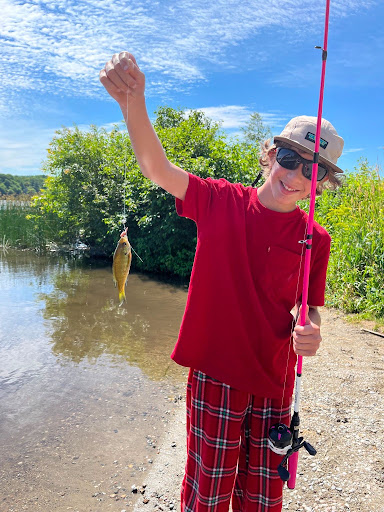
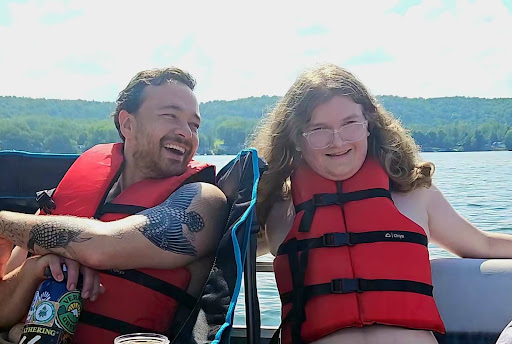
The Mill School 2026 ESY Summer Program has partnered with multiple community based programs including the Basin Program, the Burlington Sailing Center, and the Mushroom Forager, focusing on ecological preservation and identification. Through these community connections, students will be learning about watershed ecology, outdoor skills, and environmental science. Students engage in interdisciplinary learning through themed math, science, English, and history lessons paired with frequent field experiences and guest instruction to locations like the fish hatchery, The Echo Museum, and watershed research vessels. Students will also participate in sailing, fly fishing instruction, mushroom foraging with guest experts, and movement-based outdoor activities.
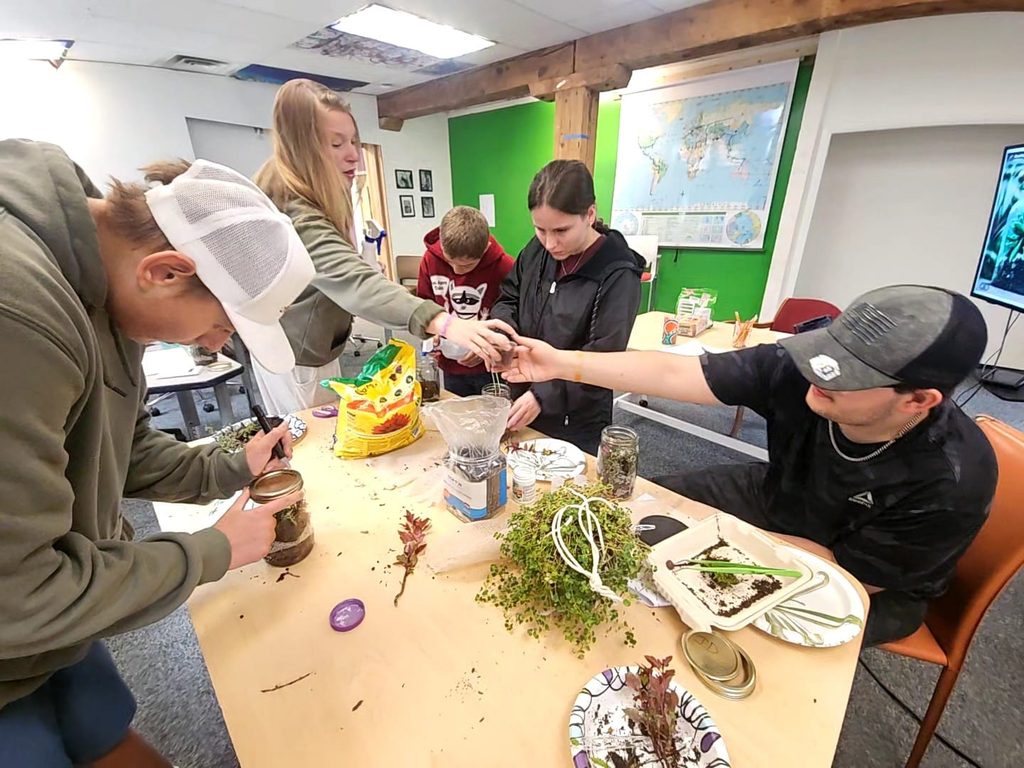
Academic blocks throughout the 2026 Summer explore topics such as water systems and photosynthesis, fungi and mold, algae blooms, food webs, nutrient cycling, and ecological data collection. Math activities connect to real-world environmental data; English lessons focus on informational writing and nonfiction reading, including creating brochures and studying excerpts from the book Mycelium Running. Science projects include building and observing self-contained terrariums.