
We use learner-led instructional methods to boost student engagement, address different learning styles and needs, and to encourage students to apply their learning to real-life applications. Here are the instructional methods we use throughout the year.
Discovery Learning. This method of instruction focuses on students’ personal experiences as the foundation for conceptual development. The primary approach is to encourage students to find important information and common experiences through the use of examples, labs, projects and other resources.
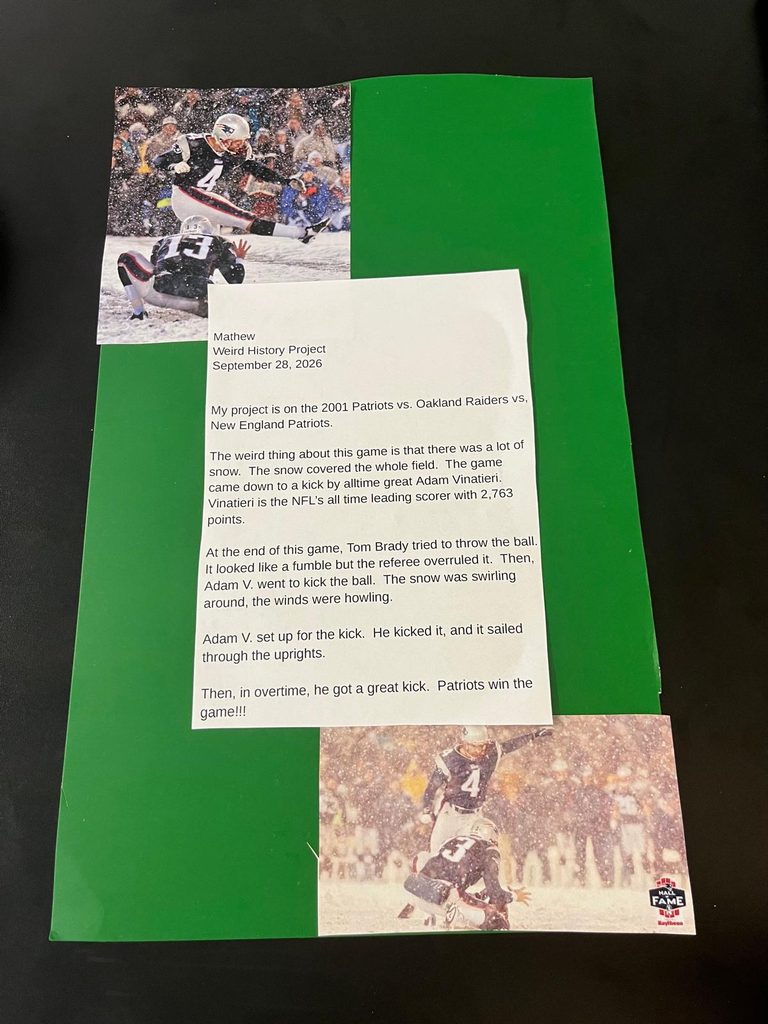
Inquiry Learning. This instructional method requires students to use prior knowledge in combination with new knowledge to generate new questions and ideas to address further learning. The primary reason we use this kind of learning is to create opportunities to integrate the curriculum by involving many disciplines in meaningful ways. Students can read, write, calculate, engage in scientific investigations, address social concerns, and use the arts, all in the context of answering emerging questions to gain new insights and ideas.
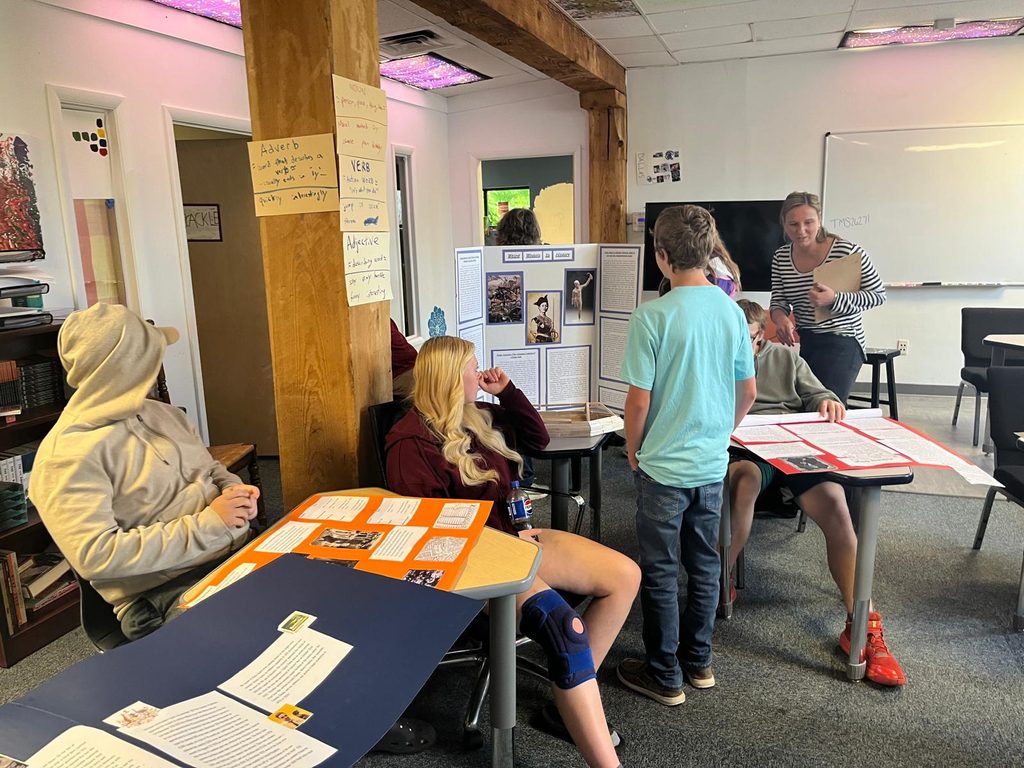
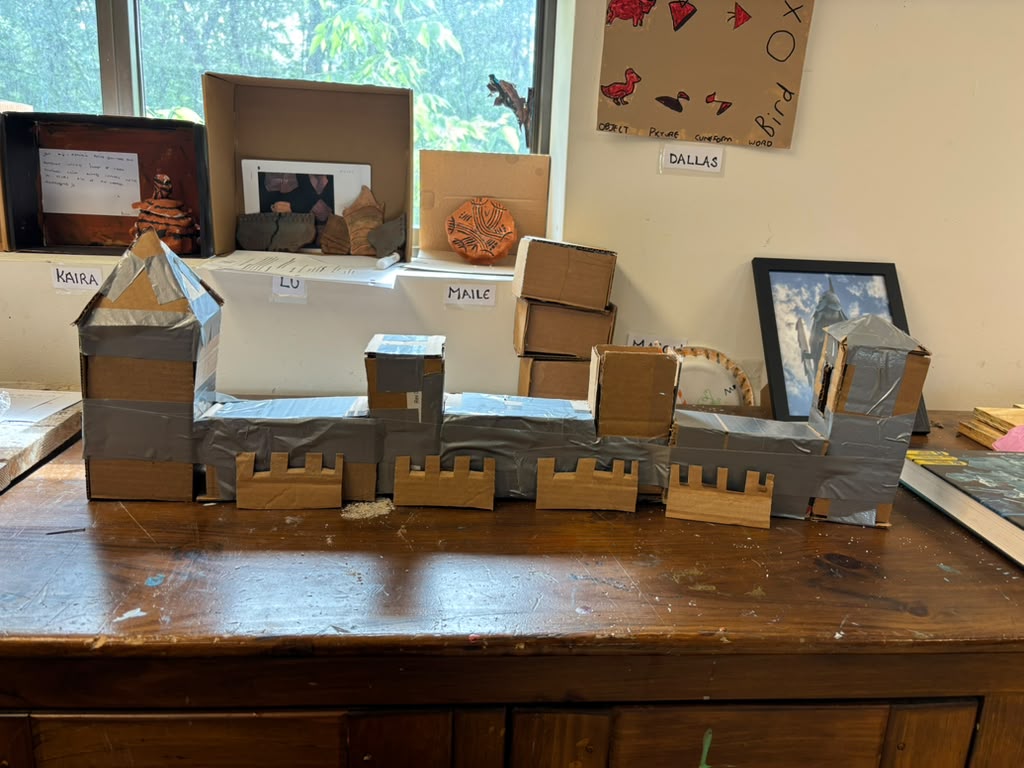
Project-Based Learning. This is a core element of the entire educational program and focuses on long-term activities involving collaborative exploration of motivating issues and questions. Students and teachers identify activities and events that will be meaningful to students and result in the creation and presentation of a product (e.g., a play, multi-media presentation, constructed model, results of an experiment).
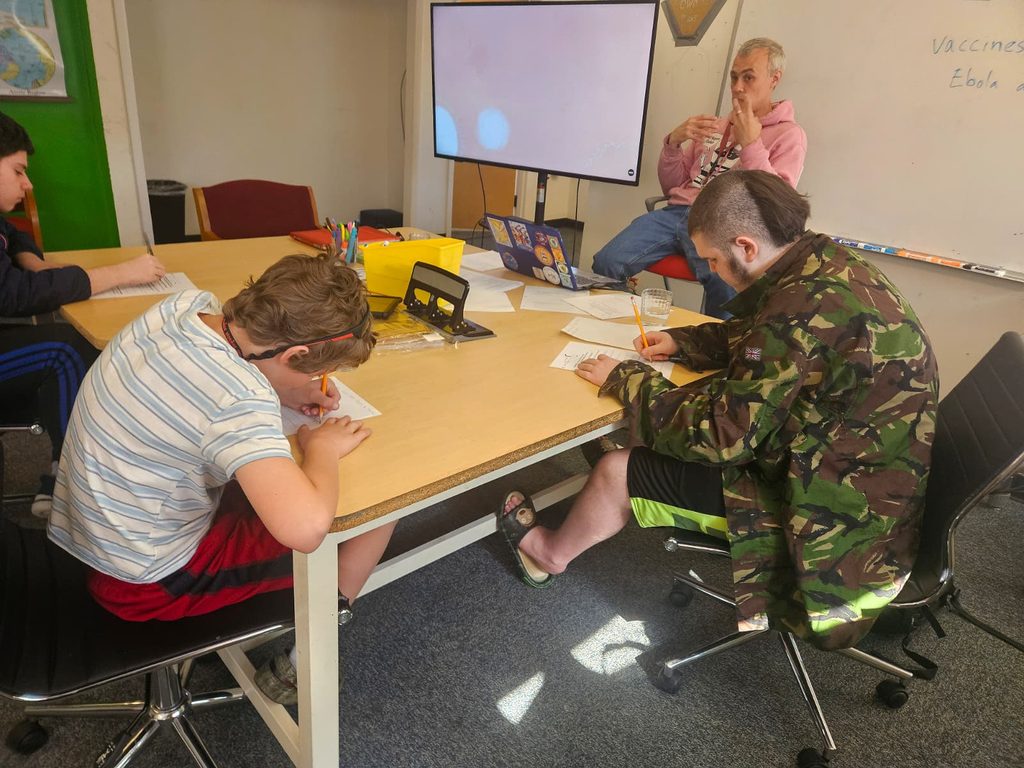
Small Group Instruction: This is an opportunity for classroom teachers, special educators, or clinicians to work either one-on-one or in a small group with students to meet specific learning goals. This could be targeted work on reading, writing, fundamental math skills, social and emotional learning, restorative justice classwork, or to address some other need that is best met in a smaller setting.
Themed Interdisciplinary Weeks: Several times throughout the year we have themed interdisciplinary weeks. Sometimes it involves the whole school, such as Black History Week, where students collaborate on a Black history school timeline, eat meals with roots in Black culinary traditions, listen to the music of Black artists, and engage in art projects to honor important figures and culture in Black history.
Other times the themed weeks combine two content areas that are typically kept distinct, such as STEM and Art. For example, this year students engaged in Fractal Week where they learned the mathematics behind fractals, completed a fractal mural in our school, and took a field trip to the Snowflake Bentley Museum.
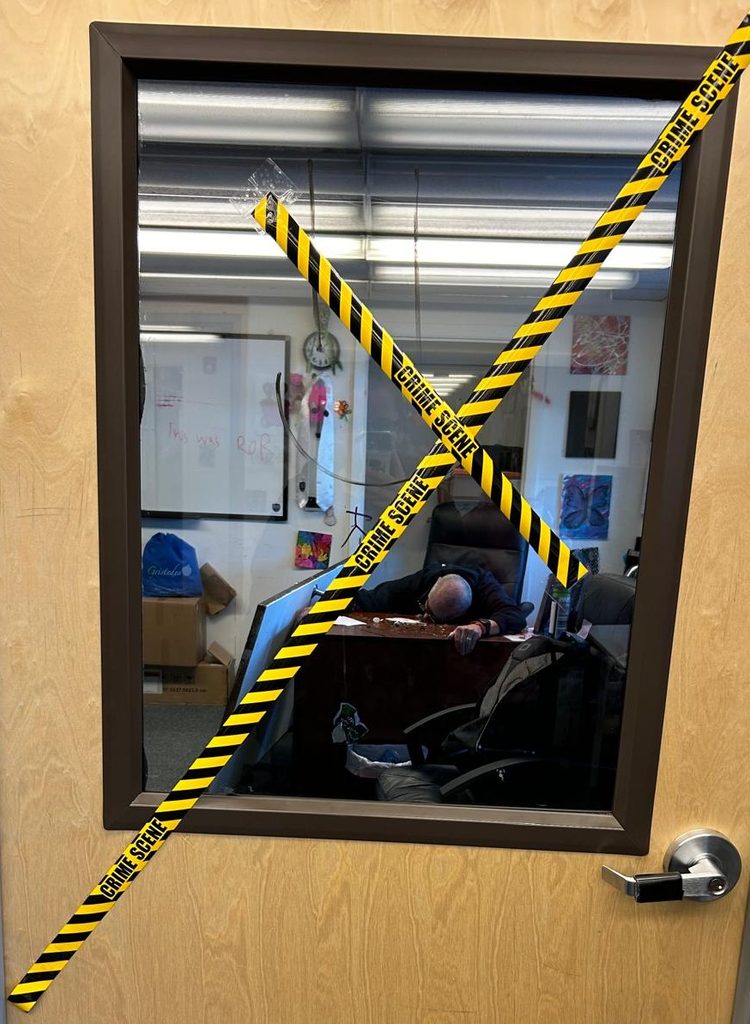
Other themed weeks this school year include Career Week, International Week, World Religions Week, Spirit Week, Mock Trial, Crime Scene Investigation, and Mad Scientist Week.