
The Mill School
Who We Are. What We Do.
The Mill School was established in 2018 by John McCooey and Jen Barnett to support students with significant behavioral challenges who struggle to succeed in other programs. The school was built with the mission of preparing learners for life.
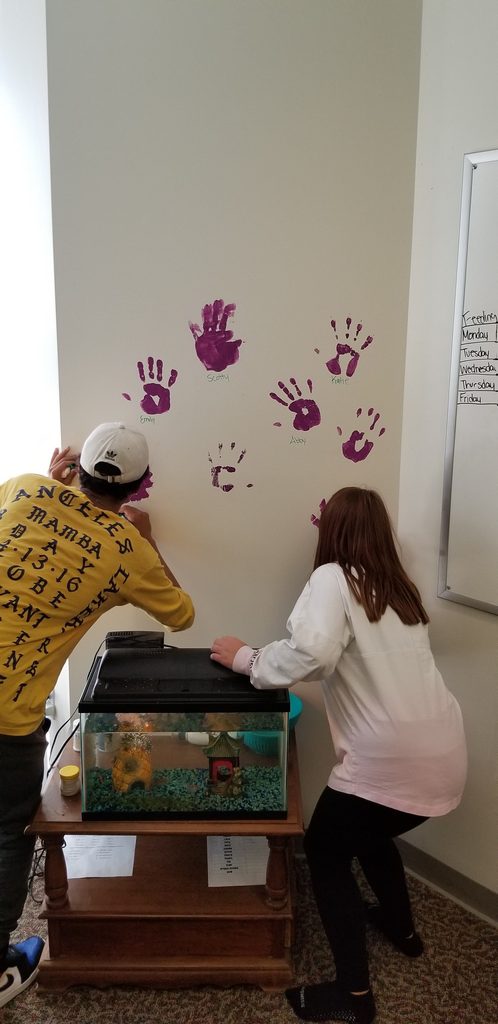
From the start, our approach to education has been straightforward. We offer open, supportive, and proactive educational and vocational opportunities to the young people who join our community. Every student is treated with dignity and respect. We listen to them and respond in ways that show they have been heard, working together to create plans that focus on outcomes meaningful to them. We have honest, sometimes difficult conversations, but we believe they are crucial for identifying meaningful goals and promoting academic and personal growth.
Our founders established five core principles to guide our work and help students achieve our mission; these principles still shape our work today.
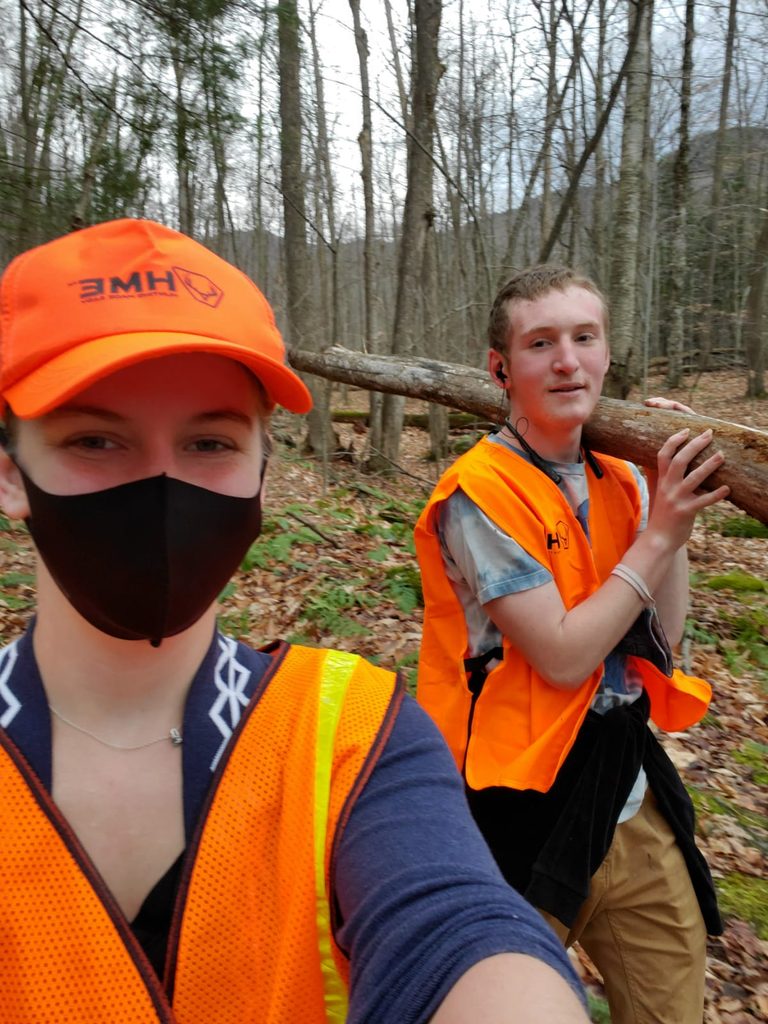
The Mill School Founding Principles
- We believe that structured flexibility is essential to the development of interventions for all students; we will experiment systematically and embrace creative, alternative, and personalized approaches developed in collaboration with everyone.
- We believe that change is progressive and iterative – we recognize that real change happens incrementally; we anticipate challenges and will not rely on traditional disciplinary methods to manage problems.
- We believe that long-term success is dependent on the development of social competence; we will assist the people we support in becoming active contributors to their communities.
- We believe that long-term success requires that students develop positive personal identities; we will offer frequent opportunities to participate in activities that are personally meaningful.
- We believe that long-term success depends on developing self-regulation, and we will make sure all interventions include opportunities to teach and learn self-regulation.
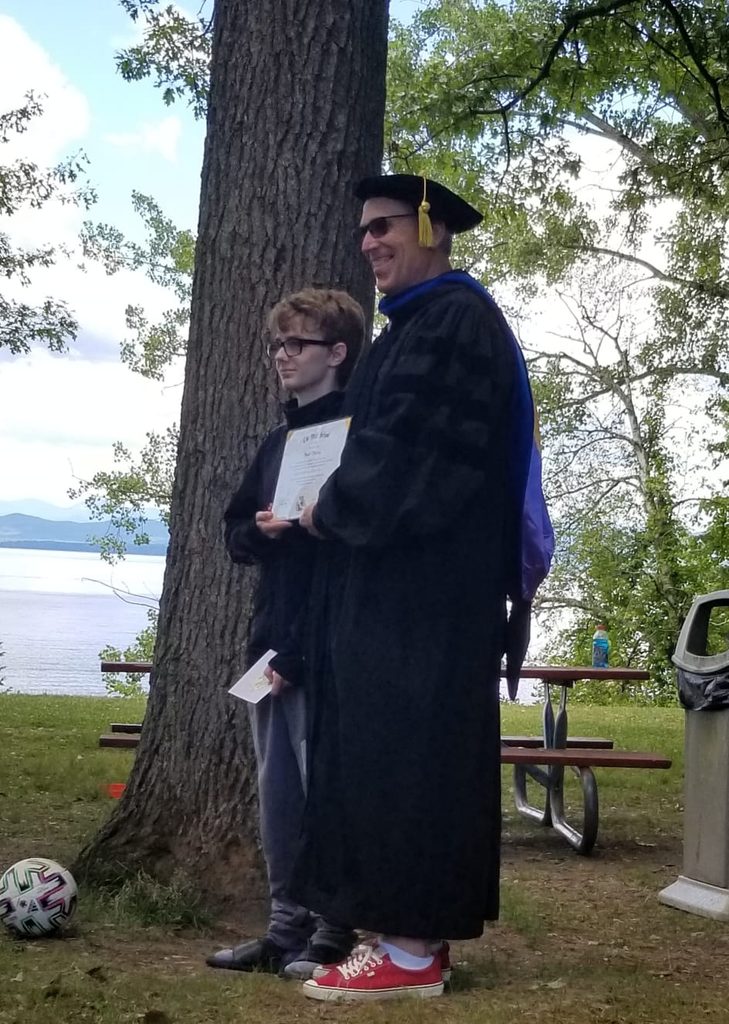
Guided by these principles, we continue to develop innovative supports to help students reach their academic, vocational, and interpersonal goals. We have assisted many students to become the people they aspire to be: high school graduates who can successfully navigate life after high school and become learners for life.
Here are some of the supports we regularly use:
- Movement is a positive thing! We include physical activity and mobility breaks throughout the day, recognizing that intentional movement enhances focus, well-being, and engagement in learning for all students.
- The ability to predict what will likely happen is crucial for long-term success: Our days follow a clear and consistent structure, which helps students feel safe and confident. Schedules and routines are well established and reinforced through morning and afternoon meetings, allowing all learners to anticipate what comes next and prepare for success.
- Sometimes you need a little downtime: We intentionally incorporate moments for rest and reflection, understanding the importance of unstructured time in supporting emotional regulation, creativity, and resilience. Downtime is considered essential for learning how to manage life’s stressors.
- Meaningful progress depends on connection with others: We focus on building authentic relationships among students, staff, and families. By fostering trust and communicating openly with everyone, we create an environment where students feel supported to achieve the goals that matter to them.
- It is important to provide individualized support: Each student receives daily assistance customized to their personal needs. Our team collaborates to ensure students have the tools, resources, and encouragement needed for both academic and personal success.
- Building access to peers and grade-level content: We value inclusion. Through thoughtful planning and flexible instruction, we ensure students can participate fully with their peers and engage meaningfully with the curriculum, regardless of their challenges.
- Learning how to be resilient both as individuals and as a community is a vital life skill: Our school is a place where challenges are met with perseverance and hope. We foster a culture of mutual care, helping students and staff recover from setbacks and grow stronger together.
- Structured flexibility is fundamental for developing interventions for all students. We approach experiments systematically and encourage creative, alternative, and personalized approaches created through collaboration. We maintain clear expectations while remaining adaptable to meeting each student’s unique needs. This approach allows us to meet students where they are and collaborate to find innovative solutions.
- Finding meaning and purpose in life creates opportunities to create a meaningful life: Students are encouraged to explore their interests and strengths. We support them in setting meaningful goals and pursuing pathways that reflect their unique aspirations and identities.
- The quality of our relationships with others has a greater effect on our success than the quantity of what we teach and learn: Everything we do relies on genuine connections. By listening intently and responding with empathy, we make sure every student feels valued and understood.
- The future is big and ever-changing, so it is important to prioritize 21st-century skills: Our curriculum emphasizes critical thinking, collaboration, communication, and creativity. We prepare students to navigate and contribute to an ever-changing world.
- Being a member of a community is critical, so it is important to focus on creating opportunities to belong to communities beyond our school: We support students in transitioning successfully to their next educational environment or the wider community, building confidence and the skills needed for lifelong learning.
- Success is defined by more than progress on IEP goals or scores on tests: Our commitment extends beyond immediate academic achievement. We help students develop the social, emotional, and self-regulation skills necessary to thrive in school and in life.